
Service · 01
Electrical construction for process plants.
Underground and aboveground conduit, cable tray, terminations, motor circuits, power distribution, and grounding. Self-performed by crews who do this work every day.
01
What's in scope
The work, in detail.
Electrical construction at an industrial site is the foundation everything else relies on. Done right, it lasts for the life of the facility. Done wrong, it shows up in inspection reports for the next decade.
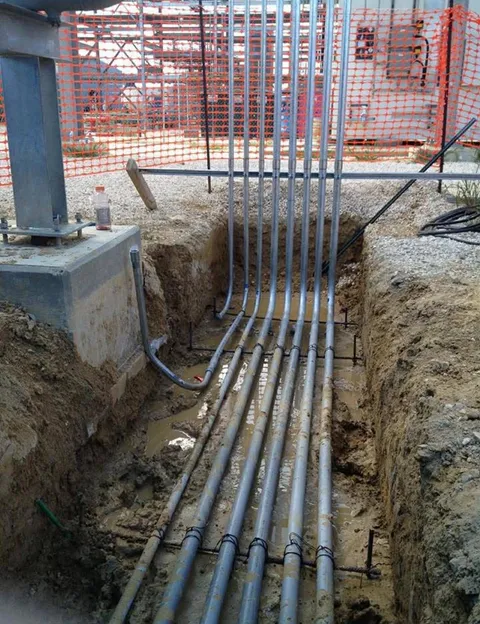
Underground conduit
Concrete-encased duct banks, PVC-coated rigid, direct burial. Sized for the cable, the heat load, and the pull tension. Tied to grade-stakes and signed off before the concrete crew shows up.
Aboveground conduit
Rigid galvanized (RGS), EMT where allowed, PVC-coated in corrosive areas. Strut-supported runs that meet seismic and your maintenance group's reach standards.
Cable tray
Ladder, solid bottom, and basket tray. Sized per NEC tray-fill rules, supported and grounded to spec. Identified per your facility's tray-marking standard.
Power distribution
Feeders from MCC or panelboard to load. Lighting branch circuits with switching that survives industrial maintenance. Plug loads and receptacles where the trades actually need them.
Motor circuits
Pull, terminate, and identify cabling from MCC starter bucket to motor terminal box. Megger tests, rotation checks, and bump tests before turnover to operations.
Grounding and bonding
Equipment grounding conductors, ground grids, building steel bonding, and lightning protection where required. Ground resistance tests on closure.
02
Deliverables
What you get on closeout.
Itemized invoice tied back to the original estimate.
As-built drawings reflecting field changes.
Megger readings and continuity test records.
Ground resistance and ground grid test results.
Conduit and cable schedules updated to as-installed.
Photo documentation of buried and concealed work.
Equipment and material warranty transfer.
03
Process
How this service runs.
01
Walk-down
On-site review of P&IDs, single-lines, classified-area boundaries, and physical access.
02
Estimate
Material take-off, labor hours by trade, equipment, and a candid schedule.
03
Pre-job safety
JSA, hot-work permits, LOTO plan. Safety brief with your site rep.
04
Installation
Self-performed crew. Daily progress reports. Material control and waste discipline.
05
Inspection and turnover
Final walk-down with your inspector. Closeout package handed over the same day.
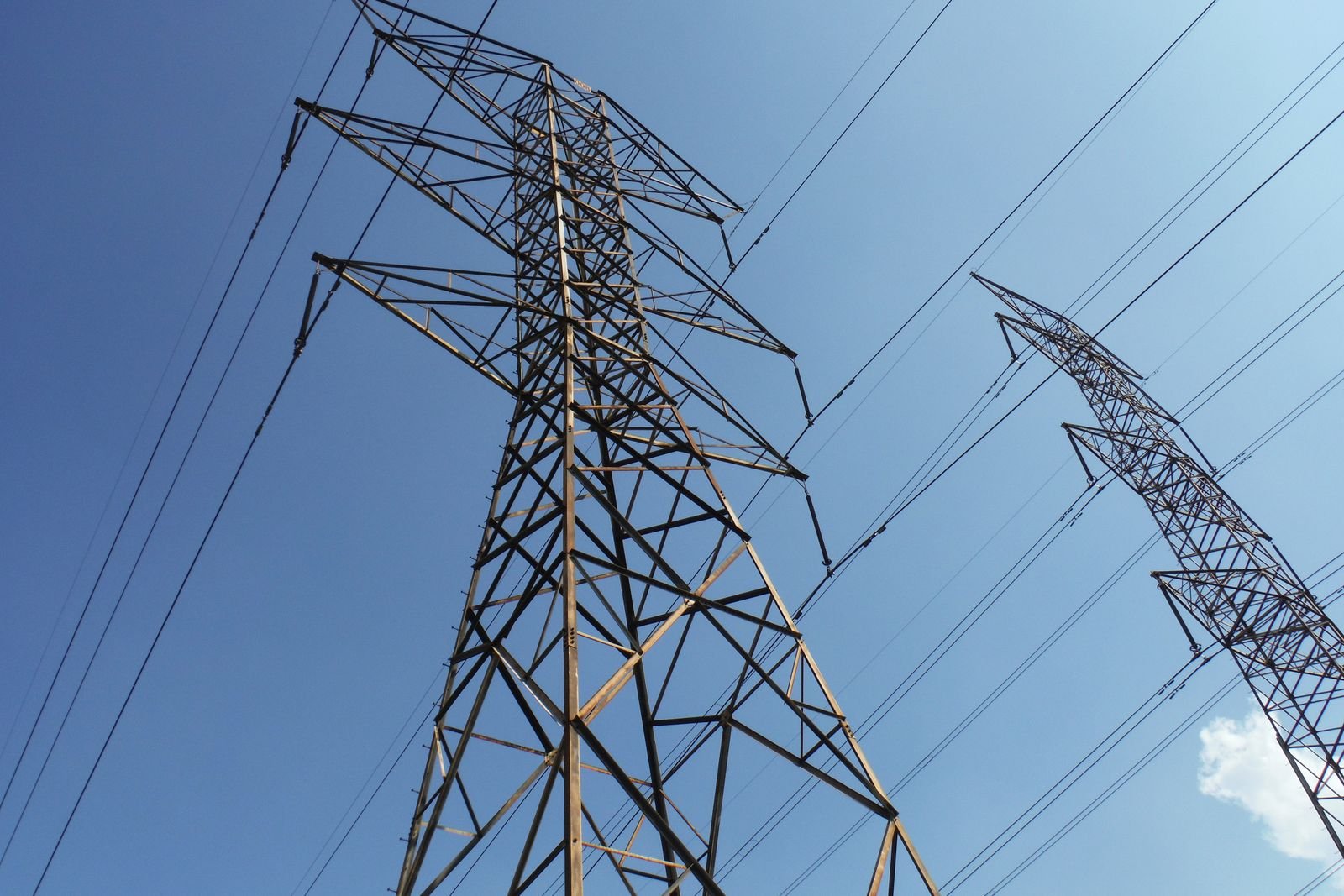
In the field
The work is documented, the loops close, the inspector signs.
100%
self-performed scope
24/7
turnaround support
0
recordables — last job
04
Standards
Standards this scope is built to.
NEC (NFPA 70)
Conductor sizing, conduit fill, grounding, classified-area wiring methods.
NFPA 70E
Arc-flash boundaries and energized work permits when energized work is unavoidable.
OSHA 1926 Subpart K
Construction-side electrical safety requirements.
Site standards
We work to your facility's engineering and construction standards, not against them.
05
More services
Related work we self-perform.
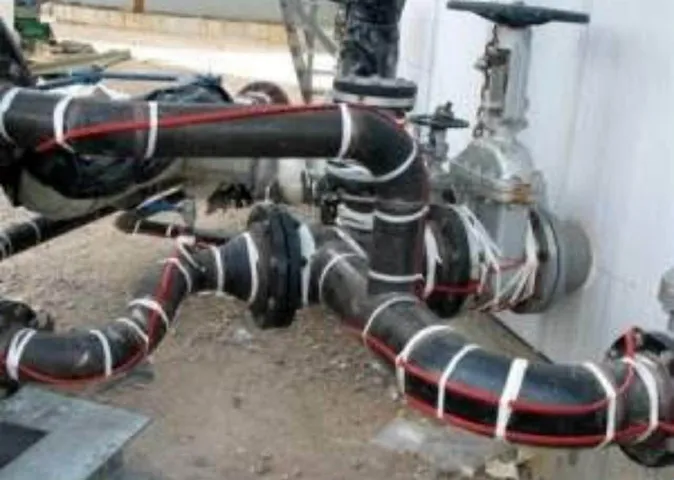
Instrumentation & Controls
Field instruments, control loops, heat trace and documentation that proves the system works.
Explore Instrumentation & Controls
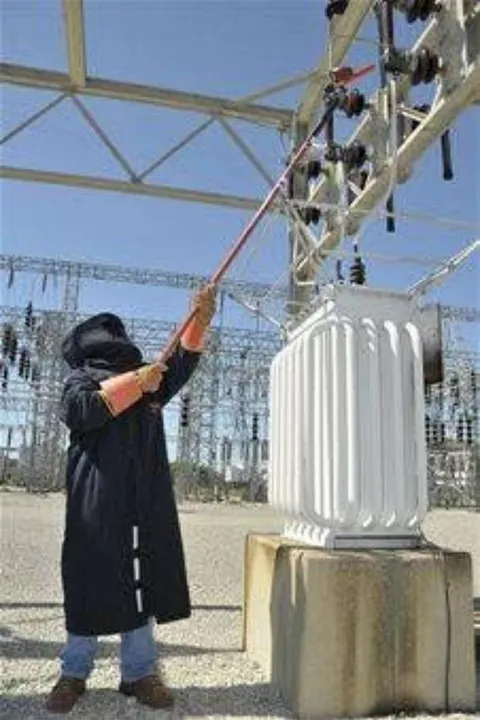
Substations & Testing Support
Plant substations, switchgear, transformers, grounding and outage support from foundation to energization.
Explore Substations & Testing Support
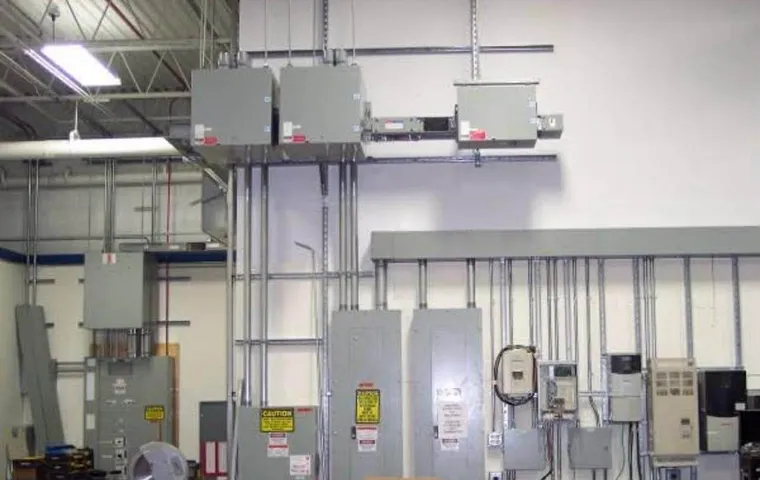
I/O Buildings, MCCs & Control Rooms
Local Instrument Rooms, I/O buildings, MCCs and control infrastructure inside and out.
Explore I/O Buildings, MCCs & Control Rooms
06
FAQ
Common questions on this scope.
Yes. We coordinate with the civil/concrete contractor on grade, depth, and pour timing so the bank is signed off and surveyed before concrete arrives.
Yes. Most of our work is built around turnaround and outage windows. Crew sizes scale to the schedule.
Routinely. Explosion-proof fittings, seal-offs, intrinsically safe wiring, and the documentation that goes with it.
Yes. Power and control terminations are self-performed and tested before turnover. We do not sub the core work out.
Both. We sub to general contractors when the project is GC-led, and we work direct for plants on smaller-scope E&I packages.
Have an electrical scope coming up?
Send the basics. We will walk it down and come back with an itemized estimate.